Celebrating 45 Years of clinical innovation, comfort, and caregiver support at Broda.

Explore the Legacy!

2026 Best Types of Pressure Cushions for Global Buyers

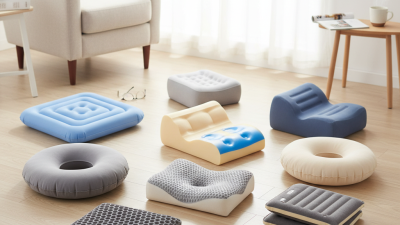
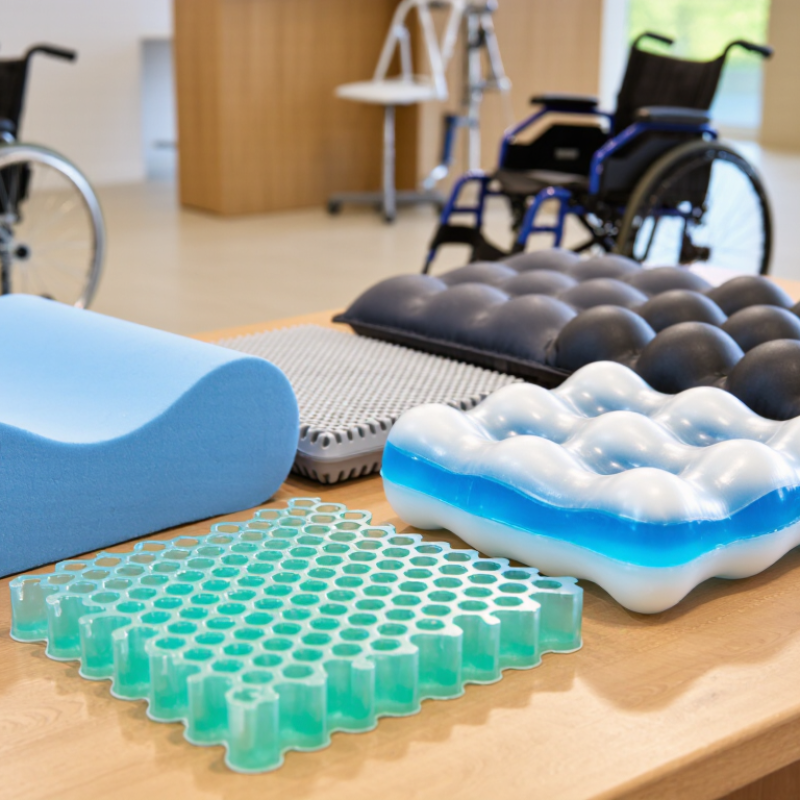
Choosing pressure cushions for international markets requires more than comparing prices, materials, or product photographs. Users may sit for eight to twelve hours daily. Their needs can change with posture, body weight, climate, wheelchair design, and skin sensitivity. Foam cushions offer stability and simple maintenance. Gel cushions can improve comfort and pressure distribution. Air cushions provide adjustable support, but they require regular inflation checks. Honeycomb designs often balance airflow, flexibility, and portability. Alternating-pressure cushions may suit higher-risk users, but they need power and careful setup.

Fit matters most. As wheelchair technology expert Dr. Rory Cooper has said, “The cushion must fit the person, not merely the chair.” This principle should guide every purchasing decision. A cushion that looks advanced may still create pelvic instability or concentrated pressure. Small details matter, including cover breathability, valve access, cleaning instructions, and correct seat dimensions. Measure twice.

For global buyers, reliable evaluation should include pressure mapping, user trials, durability testing, and supplier documentation. Check product specifications against recognized seating and pressure-management practices. Ask how performance changes in humid warehouses, cold shipping conditions, or daily transfers. Do not assume a higher price guarantees better protection. It often does not.

There is no universal winner. That is the difficult part. Even experienced clinicians may revise recommendations after observing real-world use. This guide examines the best types of pressure cushions for 2026, while acknowledging an important limitation: laboratory results cannot fully predict comfort, posture, or long-term skin response for every user.
2026 Best Types of Pressure Cushions for Global Buyers

What Pressure Cushions Are and How They Relieve Body Pressure

A pressure cushion is a supportive seating layer designed to distribute body weight more evenly. It sits between the body and a chair, wheelchair, or other seat. Instead of concentrating force beneath the sitting bones, it spreads pressure across a wider contact area. This may reduce discomfort, skin stress, and fatigue during prolonged sitting. The goal is not to remove pressure completely. Pressure remains.

Common designs use high-resilience foam, air cells, gel, or combined materials. Foam offers stable support and predictable shaping. Air systems can adjust firmness for different body weights and postures. Gel may soften peak pressure, but it can feel warm in poorly ventilated seats. Each material behaves differently. Fit matters more. A cushion that feels soft may still position the pelvis poorly.

During practical use, check whether the hips remain level and the thighs receive gentle support. Keep both feet supported when possible. Uneven posture can increase pressure on one side of the pelvis. It is easy to assume that softer always means safer. That assumption needs correction. A cushion can feel comfortable initially yet cause heat, sliding, or numbness later. People with limited mobility or pressure-injury concerns should seek assessment from a qualified healthcare professional or seating specialist. Regular repositioning still matters. No cushion replaces movement.

2026 Best Types of Pressure Cushions for Global Buyers

What Pressure Cushions Are and How They Relieve Body Pressure

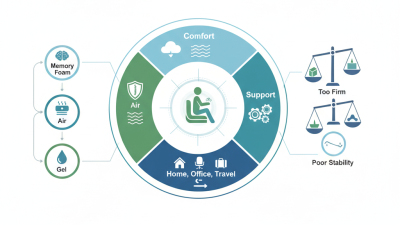
Pressure cushions are seating supports designed to distribute body weight, reduce concentrated loading, and improve sitting comfort. The comparison below uses a non-brand, educational pressure-redistribution index based on commonly recognized material characteristics such as load distribution, immersion, envelopment, air adjustability, and shear reduction. Higher scores indicate greater pressure-management potential when the cushion is correctly selected and adjusted.

Key Types of Pressure Cushions for Different Seating Needs

Choosing the right pressure cushion depends on posture, body weight, sitting time, and skin sensitivity.

No single design suits every user.

High-density foam cushions offer steady support for office chairs, wheelchairs, and dining seats. They feel stable and need little maintenance.

Memory foam can soften pressure around the hips, but it may retain heat during long summer hours.

Gel cushions spread weight across the sitting surface. They suit users who need extra comfort after prolonged sitting, although some models feel heavy.

Air-cell cushions provide adjustable pressure control for users with higher skin-risk concerns. They require regular inflation checks and careful positioning. A small leak can change support quickly.

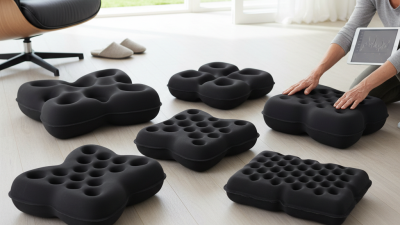
Honeycomb cushions improve airflow and reduce contact pressure through flexible openings. They work well for warm environments and extended sitting.

Wedge cushions can improve pelvic alignment when a user slides forward, but they may increase pressure if the angle is too steep.

Measure the seat width before purchasing. The cushion should fit without folding at the edges. Check whether the user can sit with feet flat and knees level.

A professional seating assessment is valuable for users with limited mobility, reduced sensation, or existing skin damage.

Inspect the cushion weekly for flattening, trapped moisture, or uneven support.

Comfort matters, but comfort alone is not proof of pressure protection.

Even experienced buyers sometimes choose softness over correct posture. That mistake deserves a second look.

How to Compare Cushion Materials, Shapes, and Support Features

Choosing a pressure cushion starts with risk, not price.

A 2020 systematic review in the International Journal of Nursing Studies estimated hospital pressure-injury prevalence at 12.8% worldwide. That figure makes material selection a clinical decision.

Foam cushions

Foam cushions offer stable, low-maintenance support.

Gel

Gel can improve immersion and reduce peak loading, but it may feel heavy.

Air-cell designs

Air-cell designs allow finer pressure adjustment, although they need regular inflation checks.

Shape changes performance too. A contoured cushion can guide the pelvis and improve lateral stability. A flat cushion may suit users who transfer frequently. The rear contour should support pelvic positioning without blocking safe movement.

The National Pressure Injury Advisory Panel recommends individualized support surfaces, regular skin inspection, and repositioning based on risk. A cushion cannot replace these habits.

Look for pressure distribution, not softness alone.

Ask whether the cover is breathable, washable, and resistant to moisture. Check the cushion width against the wheelchair seat. Small gaps can create painful edge pressure.

Support features such as a pelvic well, thigh guides, or a non-slip base may improve posture, but they can also restrict movement.

The comparison is not perfectly tidy. In practice, comfort reports can conflict with pressure-mapping results.

I would test the cushion for daily transfers, sitting tolerance, and skin response before making a long-term purchasing decision.

Choosing the Right Pressure Cushion for Global User Requirements

Choosing the Right Pressure Cushion for Global User Requirements

Selecting the right pressure cushion starts with the user, not the product category. A lightweight air-cell cushion may suit a wheelchair user needing adjustable support. Dense foam can provide stable positioning and simpler daily care. Gel and hybrid designs may improve comfort, but they can add weight during travel. Fit matters. Measure the seat width, depth, user weight, posture, and pressure-risk areas before comparing materials.

Climate also changes performance. In humid regions, breathable covers and washable surfaces can reduce heat and moisture buildup. In colder areas, some materials may feel firmer during transport or storage. Caregivers should check inflation, cover condition, and skin response regularly. These small checks often reveal problems early. No cushion suits everyone.

Global buyers should review documentation, warranty terms, replacement parts, and local service access. Clear instructions matter when users speak different languages or have limited technical experience. Shipping size and customs requirements can also affect the final cost. In professional seating assessments, pressure mapping can support a better decision, but it should not replace clinical judgment. I would also allow a trial period. Comfort reports are useful, yet users sometimes adapt slowly or describe pain poorly. That uncertainty deserves attention.

Safety, Maintenance, and Purchasing Considerations for 2026

For global buyers in 2026, pressure cushions should be judged by safety, maintenance, and user fit. Foam, gel, air, and honeycomb designs behave differently under heat, moisture, and prolonged sitting. A soft cushion is not automatically safer. It may bottom out, retain heat, or make transfers unstable.

The Agency for Healthcare Research and Quality estimates that about 2.5 million hospitalized Americans develop pressure injuries annually. That figure supports careful purchasing, not impulsive price comparisons.

The 2019 International Guideline recommends individualized risk assessment, regular skin checks, and repositioning. Buyers should request pressure-mapping results, load limits, fire-safety documentation, and testing aligned with ISO 16840-2. Laboratory results help, but they cannot replace clinical observation.

Maintenance often determines real performance. Check air cells daily for slow leaks. Inspect covers for broken seams and cleanable surfaces. Foam should be replaced when it stays compressed or loses shape. Gel cushions need temperature control during storage and transport. Keep spares available.

Small details matter. A valve can catch on a wheelchair frame. A slippery cover can increase sliding and shear.

Procurement teams should verify repair access, warranty terms, cleaning instructions, and local service capacity. The World Health Organization projects that one in six people worldwide will be aged 60 or older by 2030, increasing demand for reliable seating support. I would still avoid relying on one rating alone. User trials can reveal problems that a report misses.